
Private Label & White Label: A Guide for B2B Buyers
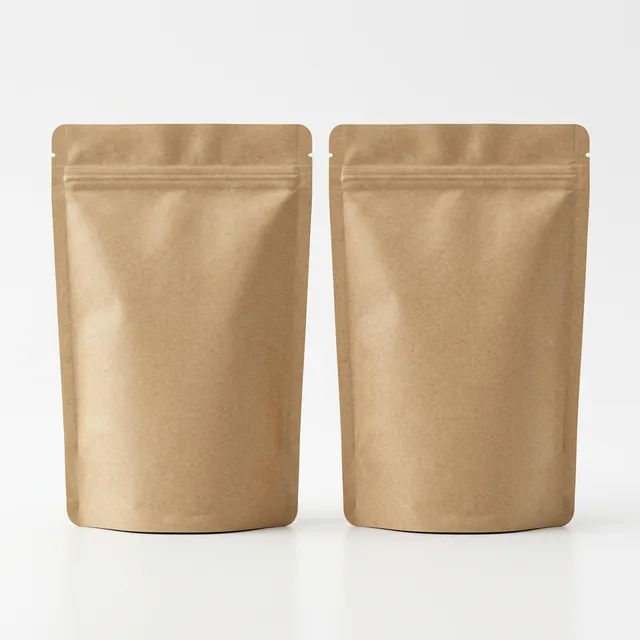
For businesses looking to sell food products under their own brand, two common approaches exist: private label and white label. While the terms are sometimes used interchangeably, they represent different business models with different levels of customisation, cost, and control.
Definitions
White label refers to a generic product manufactured by a supplier and sold to multiple retailers, each of whom applies their own branding. The product formulation and packaging format remain identical, only the label changes.
Private label involves a higher degree of customisation. The buyer works with the manufacturer to develop a product specification tailored to their brand, this may include custom formulations, packaging sizes, design, and even unique ingredients.
Comparison
| Factor | White Label | Private Label |
|---|---|---|
| Product customisation | None (standard product) | Fully customisable |
| Minimum Order Quantity | Lower (typically 100–500 units) | Higher (typically 1,000+ units) |
| Lead time | Shorter (stock product) | Longer (custom development) |
| Cost per unit | Lower | Higher (development costs) |
| Brand differentiation | Limited | High |
| Exclusivity | Same product sold to competitors | Exclusive to your brand |
Which Model Suits Your Business?
Choose white label if you want to enter the market quickly with proven products and lower upfront investment. This is common for online retailers, small health food shops, and companies testing new product categories.
Choose private label if you want to build a differentiated brand with unique products. This suits established retailers, supermarket chains, and brands targeting specific market segments.
Regulatory Considerations in the EU
Regardless of the model, the brand owner (the company whose name appears on the label) assumes legal responsibility for the product's compliance with EU food law, including:
- Ingredient declaration (Regulation (EU) No 1169/2011)
- Allergen labelling
- Nutrition declaration
- Health claims compliance (Regulation (EC) No 1924/2006)
At Manubolu, we offer both white label products and private label partnerships. Learn about our B2B solutions.
Sources
- European Commission, General Food Law. food.ec.europa.eu
- PLMA (Private Label Manufacturers Association). plma.com
- IHK München, Eigenmarken im Lebensmittelhandel. ihk-muenchen.de